
If you’re a Cleveland landlord, you’ve probably heard the phrase lead-safe certification enough times to feel like it’s following you around the room. (Don’t worry, unlike lead dust, this one’s completely harmless.)
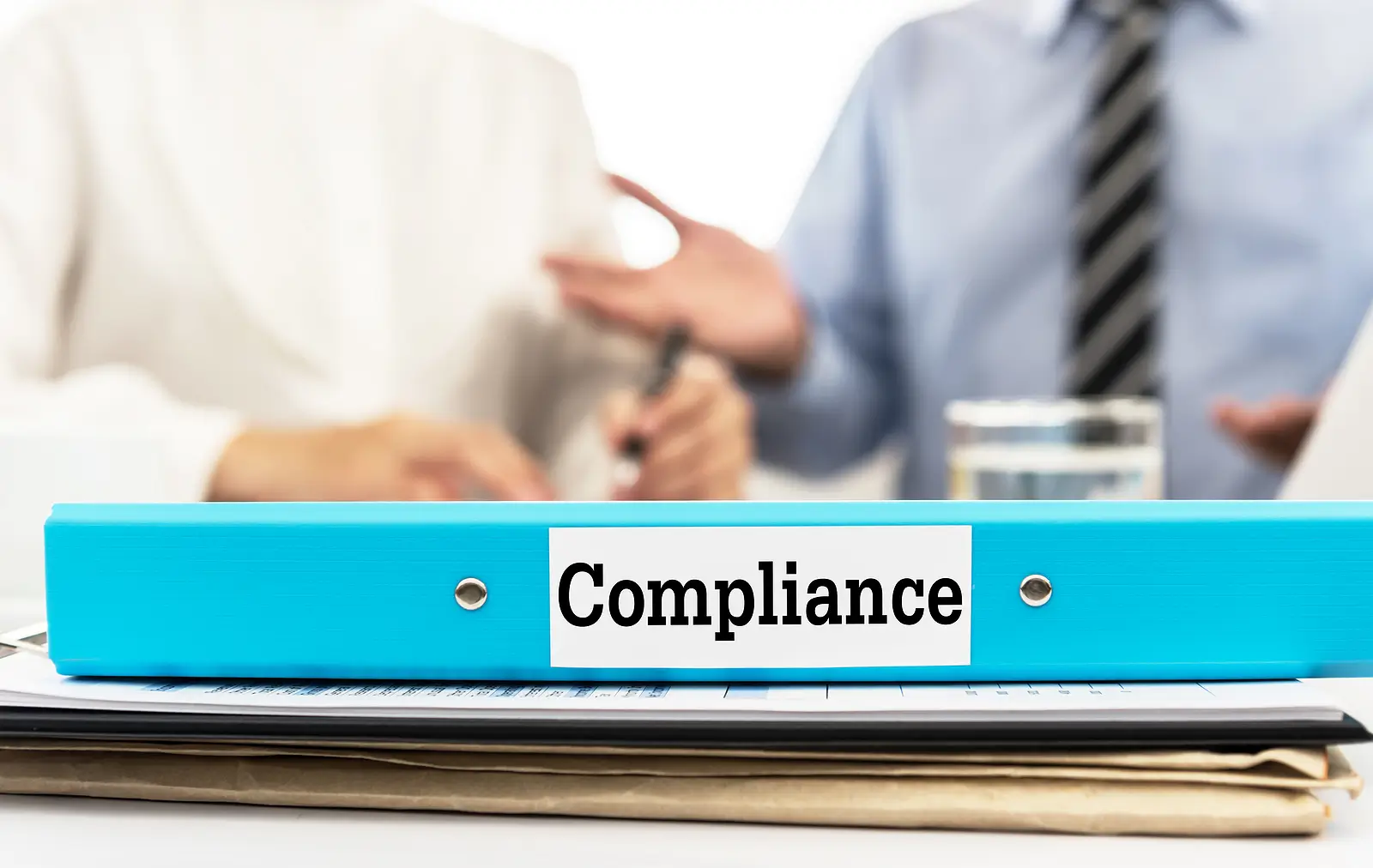
As funny as the constant reminders may be, the truth is that Cleveland’s Lead-Safe Certification law is serious business. Whether you own one rental home or an entire portfolio, staying compliant isn’t just a box to check; it protects you, your tenants, and your investment.
Before we dive in, here are a few quick takeaways to ground you:
- Lead-Safe Certification is required for all rental properties built before 1978 in Cleveland.
- Landlords must submit a Clearance Examination or Lead Risk Assessment to prove their property meets safety standards.
- Non-compliance can lead to fines, rental restrictions, or legal issues.
- Being proactive saves time, money, and stress. Inspections and repairs can take longer than expected.
- A solid property management team can simplify everything, from scheduling inspections to handling repairs.
Why Cleveland’s Lead-Safe Law Matters More Than Ever
Lead poisoning is still a real threat, especially in older cities like Cleveland, where a large portion of homes were built long before lead paint was banned. Sadly, children are the most vulnerable, and exposure can cause long-term health issues.
Cleveland’s ordinance puts responsibility on landlords to keep rentals safe, and while that might sound like extra work (it is), it also creates trust with tenants and boosts the long-term value of your property.
A lead-safe home is not just compliant, it’s more marketable, more secure, and more appealing to renters who want peace of mind.
Step-by-Step: Your Cleveland Lead-Safe Compliance Checklist
Let’s break this down into clear, manageable steps, so you know exactly what to do and when to do it.
1. Check Your Property’s Build Year
If your rental was built in 1977 or earlier, you’re part of the lead-safe program.
If it’s newer, take a deep breath; you’re automatically exempt.
But if you're not sure? Your county auditor’s website will list the year, and it takes less than a minute to verify.
2. Understand the Lead-Safe Certification Basics
Cleveland doesn’t require you to remove all lead paint. Instead, the law requires you to prove your property is lead-safe, meaning there’s no loose paint or lead dust hazard.
To get certified, you’ll need either:
- A Clearance Examination (the most common), or
- A Lead Risk Assessment (more detailed, usually for properties needing bigger repairs)
Both must be performed by a licensed professional, not your cousin with a dust mask and a paint roller.
3. Prepare the Property for Inspection
This is where you can save yourself time and money. Before the inspection, do a thorough pre-check.
Here’s what examiners typically look for:
- No chipping or peeling paint
- Clean surfaces (floors, sills, railings)
- Intact windows and frames
- Safe exterior areas, including porches and siding
Think of it like cleaning your house before guests arrive, but this time, the “guest” can fine you.
4. Book Your Clearance Examination
You’ll need a licensed lead-safe contractor who is approved to perform Cleveland’s required testing. Depending on demand, appointments can fill up quickly, so scheduling early is smart.
During the exam:
- The inspector will visually check for hazards
- They’ll take dust wipe samples
- Samples go to a lab for analysis
- You’ll receive pass/fail results
If you pass, great!
If not, don’t panic. You’ll receive a list of what needs fixing.
5. Complete Any Required Repairs
If your property doesn’t pass the first time, it’s usually because of one of these reasons:
- Peeling paint around windows or doors
- Dust from old flooring
- Exterior paint that flakes during bad weather
- Lack of proper cleaning before dust wipes
Thankfully, most issues are manageable with standard repairs or deep cleaning. Once fixed, you’ll schedule a re-exam to confirm compliance.
6. Submit Your Certification
After passing, you must upload your documents to the City of Cleveland’s lead-safe portal. Once approved, your certification is valid for two years.
However, remember:
- New tenants? No need to recertify until your two-year mark.
- Selling the property? Certification transfers to the new owner.
Renew on time to avoid starting back at square one.
Benefits of Lead-Safe Certification (Even Beyond Compliance)
While the process may feel overwhelming at first, it comes with some big advantages.
You increase your property’s market value
Lead-safe rentals are viewed as more reliable and better maintained, which often translates into higher demand and fewer vacancy periods.
You reduce long-term liability
Doing the minimum is never a winning strategy. A lead-safe home protects you from fines, tenant disputes, or unexpected lawsuits.
You create safer homes for families
Landlords who care about tenant well-being attract better renters and build stronger long-term relationships.
You stay ahead of future regulation changes
Lead laws tend to get stricter over time. Getting compliant now keeps you ahead of the curve.
The Real Challenges Landlords Face (And How to Navigate Them)
Being transparent: yes, compliance comes with obstacles.
Scheduling Delays
During busy seasons, inspections can take weeks to book. Acting early is your best friend here.
Unexpected Repairs
Older properties may need more extensive work than expected. Budgeting a small reserve helps soften the blow.
Paperwork and Documentation
The city portal isn’t hard to use, but it can be confusing if you’re not used to it.
Tenant Cooperation
You may need access for repairs or inspections, which requires good communication and planning.
This is why many landlords turn to professional property managers who handle the entire lead-safe process from start to finish.
Frequently Asked Questions (FAQs)
Q1: How long does Lead-Safe Certification last?
A Cleveland Lead-Safe Certification is valid for two years, after which you must renew through a Clearance Examination or Lead Risk Assessment.
Q2: Do I need to test between tenants?
No. As long as your certification is active, tenant turnover doesn't require retesting.
Q3: What happens if my rental fails the inspection?
You’ll get a report detailing what failed. Make the repairs listed, then schedule a re-inspection. Most failures involve minor paint or cleaning issues.
Q4: Does the City of Cleveland offer financial help for repairs?
Yes, Cleveland has grants and loans through the Lead Safe Cleveland Coalition to help landlords cover repair and inspection costs.
Q5: Can a property management company handle all of this for me?
Absolutely. Many landlords prefer professionals who understand the law, know the inspectors, and can manage repairs and documentation efficiently.
Your Investment, Their Safety: Let’s Keep Cleveland Lead-Safe Together
Getting Lead-Safe Certified may feel like a big task, but with the right plan, it’s completely manageable, and it pays off. You protect your tenants, improve your rental’s value, avoid legal trouble, and build a stronger future for your property.
If you want expert help managing the lead-safe process, inspections, repairs, tenant communication, and everything in between, our team at Prime Living Property Management is here to make compliance simple. Visit our website for resources, property management services, or to schedule a free consultation.
Your property deserves to be safe, compliant, and profitable. Let’s make it happen.